Insurance Guide

Storm Damage Siding Repair & Insurance Claims

Wind and hail are the most common causes of sudden siding damage in this area, and both can qualify for an insurance claim if you document them correctly.

4
Claim steps
Itemized
Estimates we write
48hr
Typical booking
Free
On-site look

After the storm

Why the Estimate Matters

If a recent storm left siding cracked, dented, or torn loose, an itemized repair estimate gives your insurer a concrete number and describes the damage the way adjusters expect — material and labor separated.

Be there for the adjuster

Upper-story and back-elevation damage is easy to miss from the driveway. Be present, or have your contractor there, to point it out.

Skip the door-knock crew

Storms attract contractors offering to “handle the claim.” Verify they are licensed and insured in Virginia. Do not sign an assignment-of-benefits on the spot.

Second opinion is fine

A legitimate local contractor is comfortable with you comparing a written estimate before you commit.
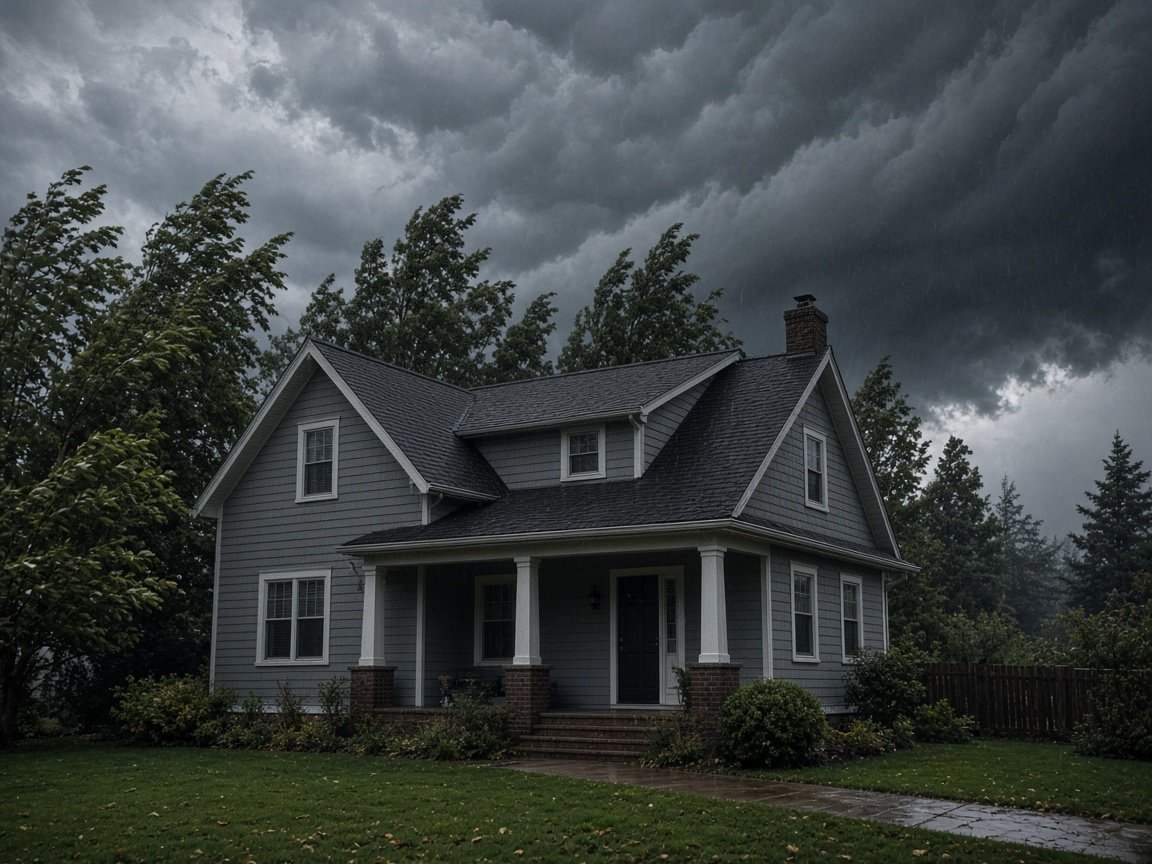
House under a stormy sky with wind-blown trees and rain-wet siding

In order

How to Document Damage and File

01

Photograph immediately

Dated photos from multiple angles as soon as it is safe, plus wider shots of downed branches or hail on the ground.

02

Get a written estimate

Itemized material and labor, with the type of damage described — then file while the storm event is still easy to tie to the photos.

03

Meet the adjuster

Walk the house together. File as soon as you have documentation; most policies have a window after the event.

After you file

Repair, Repeat Storms, and Prevention
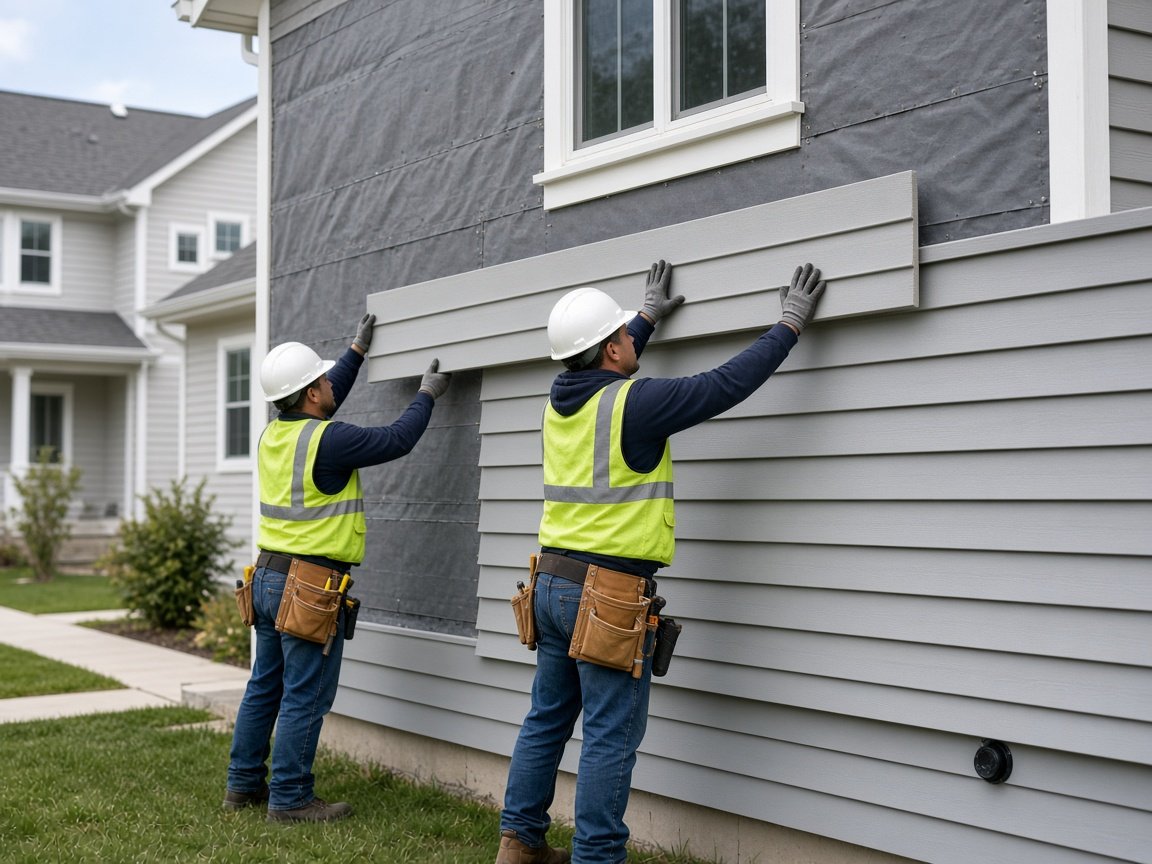
Siding crew installing exterior panels on a house while wearing safety gear

Storm repair

How we assess whether a section failed from the storm or from an older installation issue underneath.

Repair page →
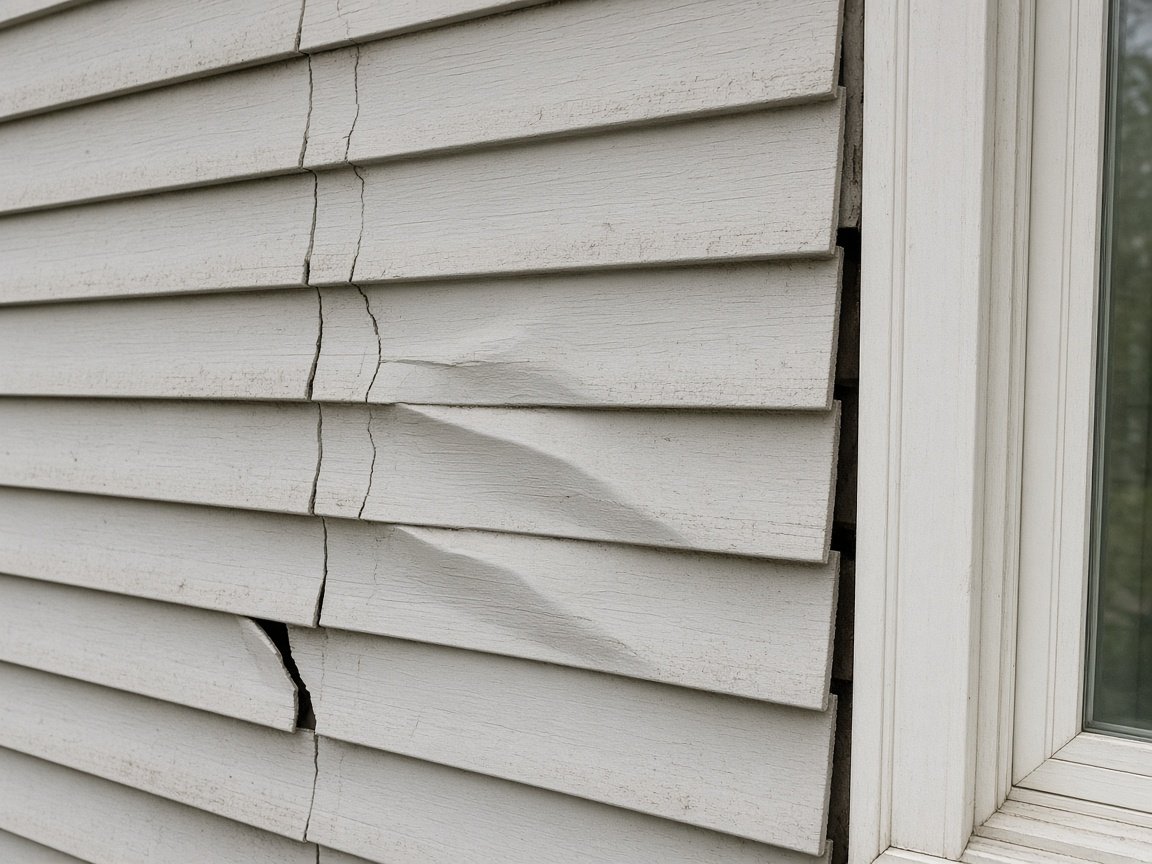
Close-up of cracked, faded vinyl siding that needs repair or replacement

Same spot, third storm

Correctly fastened panels with proper flashing hold up better. Repeat damage in one area is worth evaluating as an install problem.

Warning signs →
Suburban home with cream clapboard siding and white trim

Cost context

Directional pricing if the claim only covers part of a larger re-side.

Cost guide →

Before you book

Storm Damage Insurance FAQ

Need a documented estimate for your insurer?

We will inspect the damage and give you an itemized estimate you can take straight to your claim.

If a recent storm left visible damage, reach out and we will get you that write-up.

Most policies cover sudden, storm-related damage — wind, hail, or falling debris — but not damage from normal wear and aging. The distinction matters, so document the storm event itself along with the damage.

As soon as reasonably possible. Most insurers have windows for filing, and prompt documentation makes it easier to tie the damage to a specific storm event rather than gradual wear.

It helps. An itemized repair estimate gives the adjuster a concrete cost basis and can speed up the claims process, though most insurers will also send their own adjuster to assess the damage.

This happens more often with older siding, where insurers may apply depreciation. It's worth asking your adjuster to explain how they calculated the payout, and getting a second contractor estimate if the numbers seem far apart.